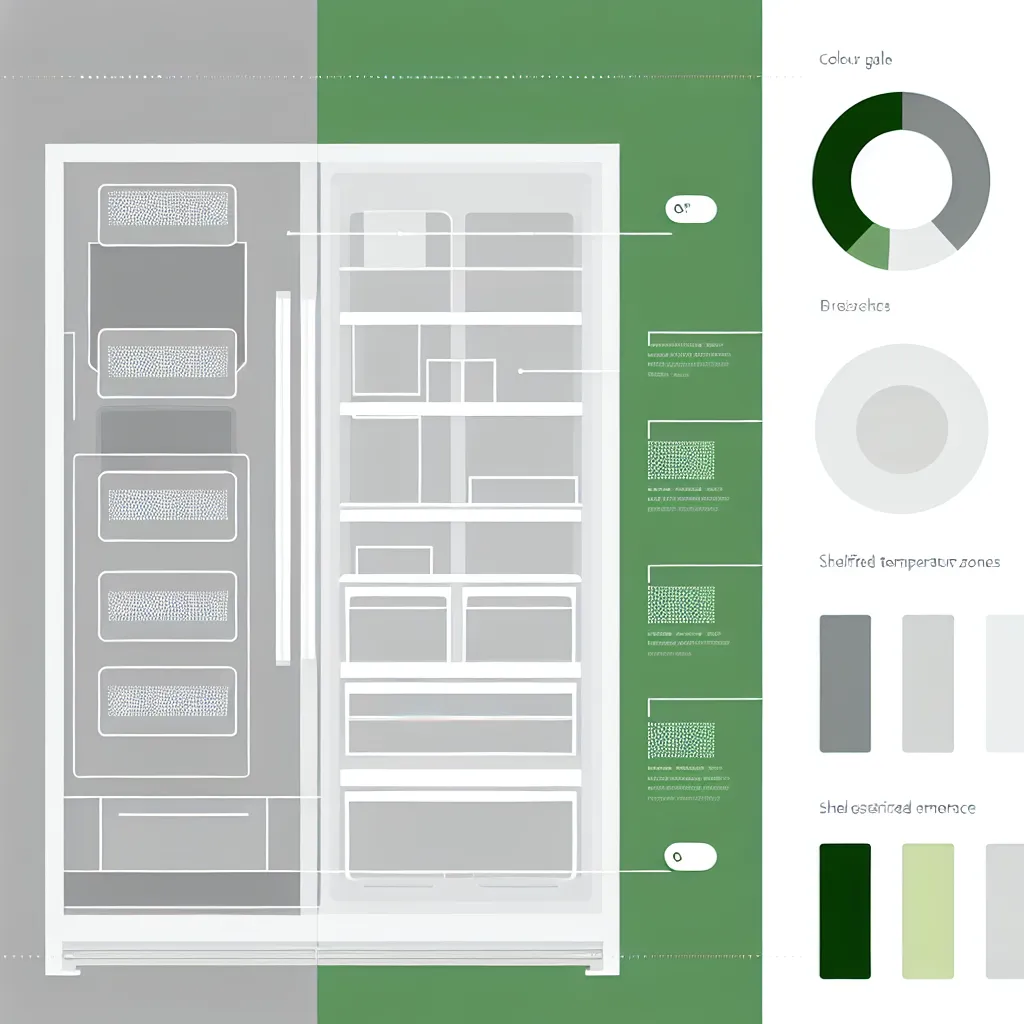
Understand Temperature Zones
Your refrigerator has different temperature zones. The top shelves are warmest (perfect for ready-to-eat foods), middle shelves are moderate (dairy and eggs), and bottom shelves are coldest (raw meat and fish).
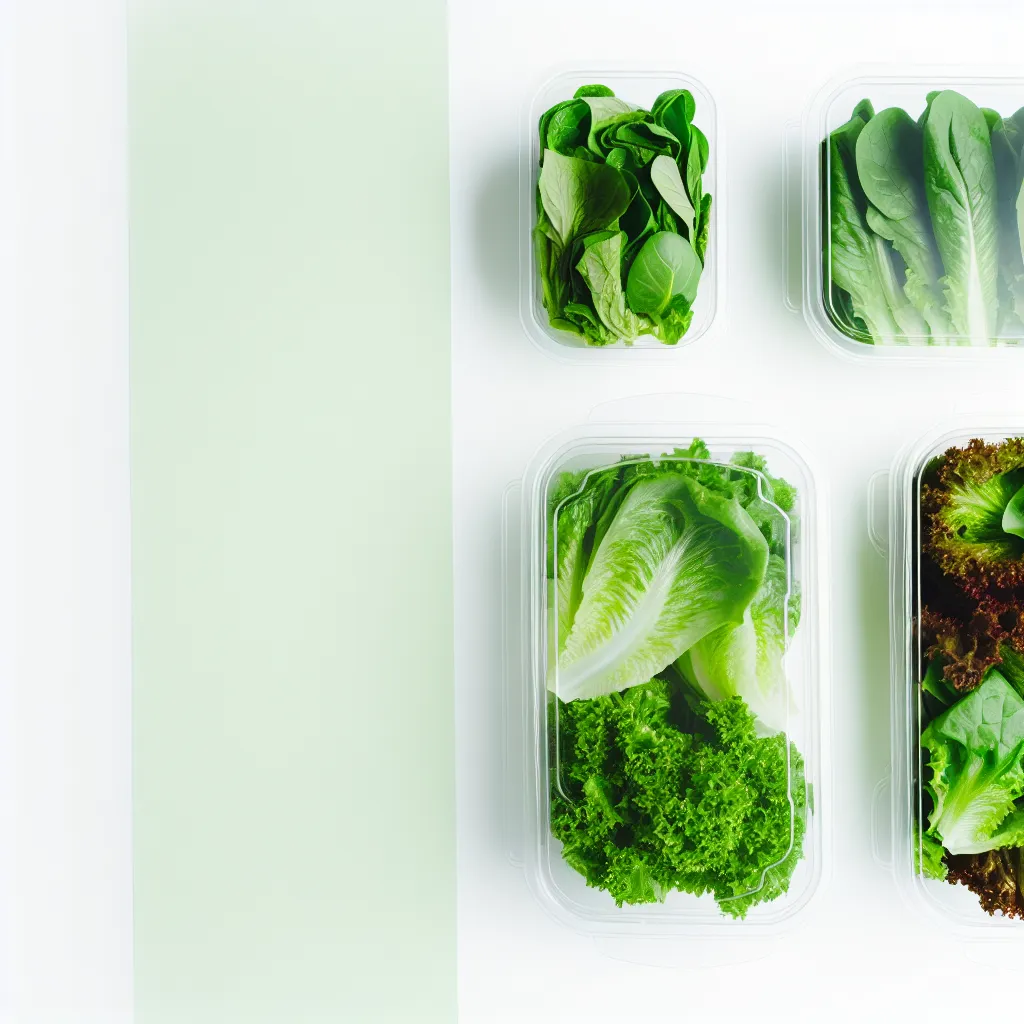
Use Clear Containers
Transparent containers allow you to see contents at a glance, reducing the time the refrigerator door stays open and helping you track what you have available.
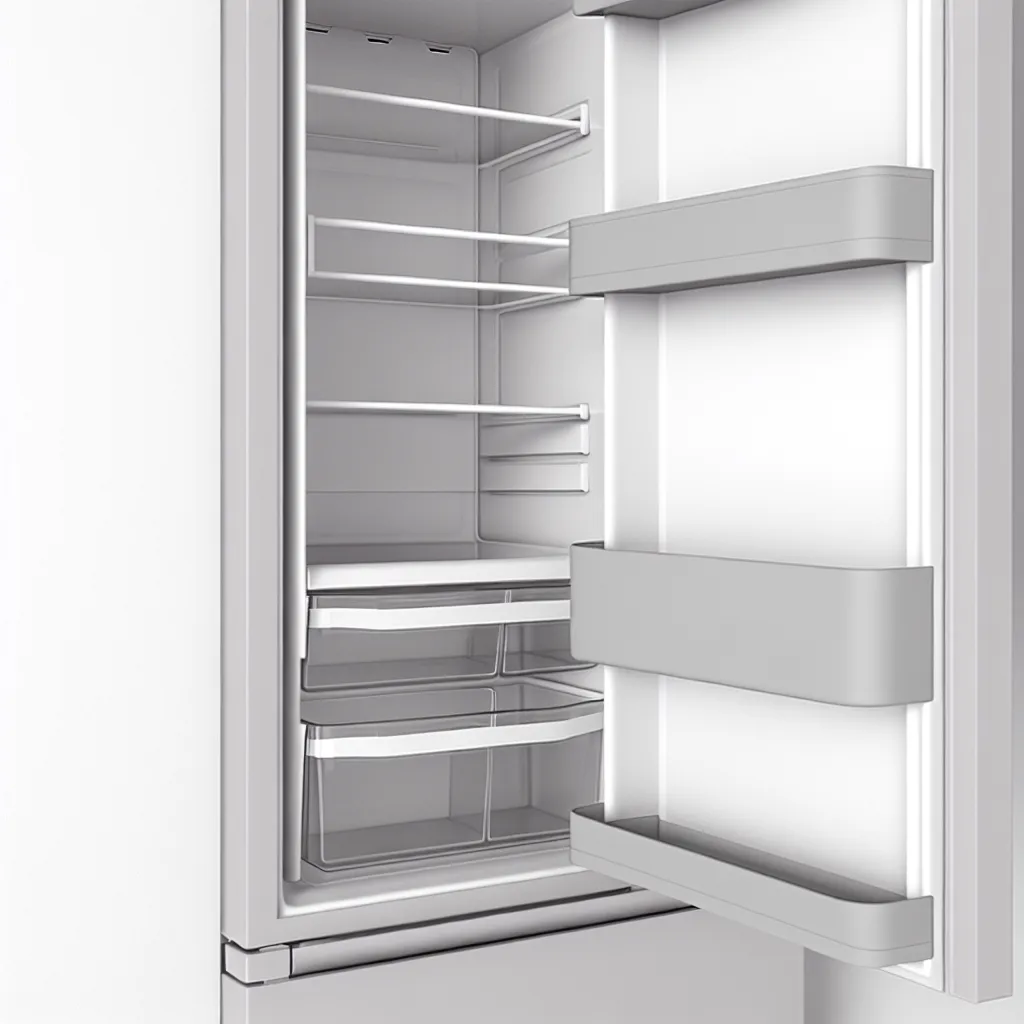
Avoid Storing Milk in the Door
The refrigerator door experiences the most temperature fluctuation. Store condiments here, but keep dairy products and eggs on interior shelves where temperature is more stable.
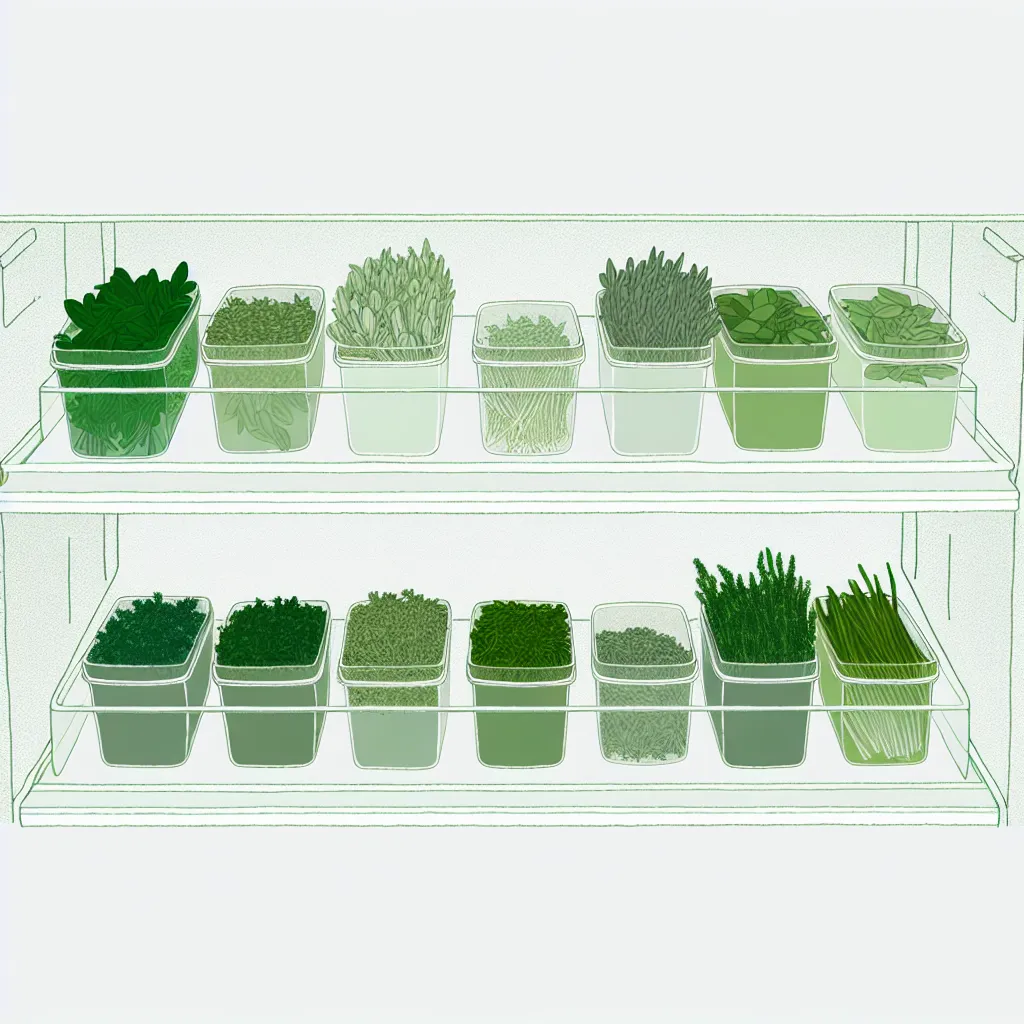
Store Herbs Like Flowers
Keep fresh herbs upright in a glass of water, covered loosely with a plastic bag. This method extends their freshness significantly compared to storing them dry.
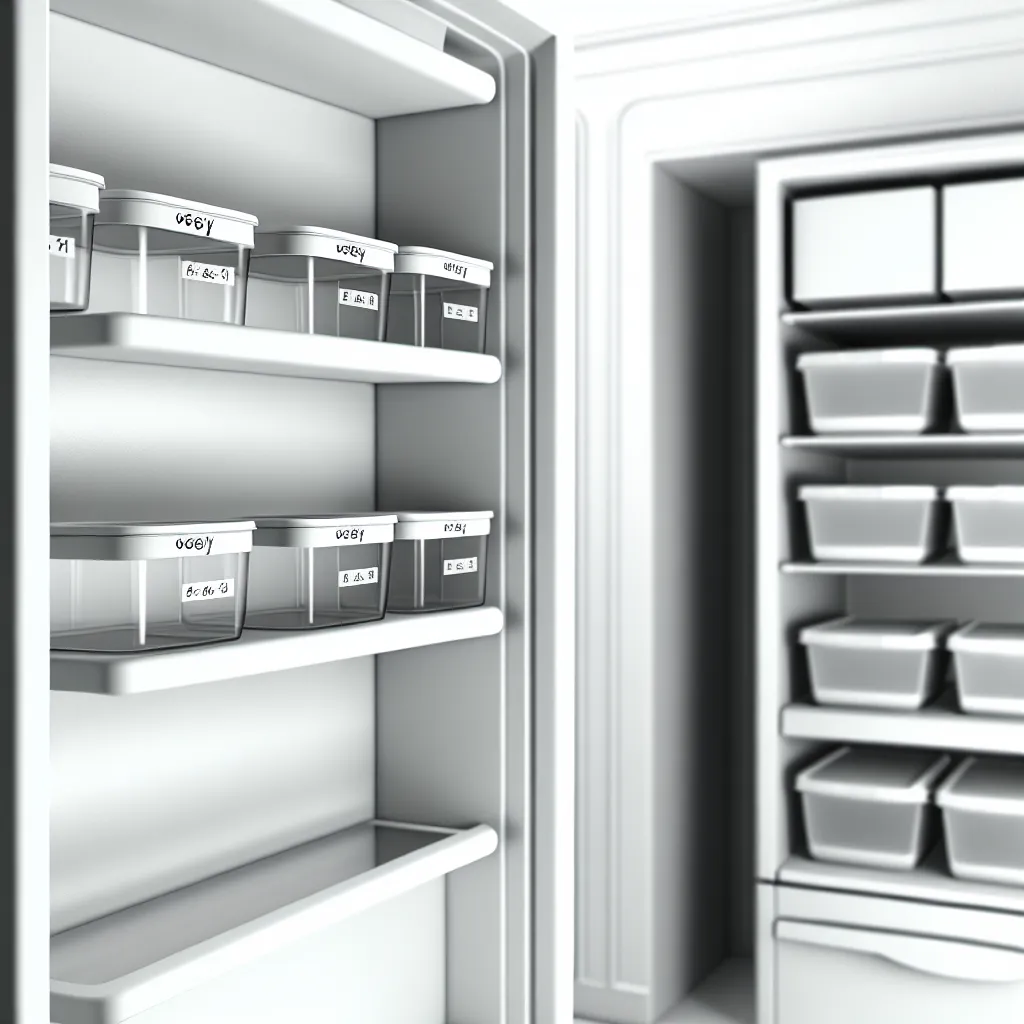
Label Everything with Dates
Date your leftovers and opened products. This simple habit prevents food waste by ensuring you use items while they're still fresh.
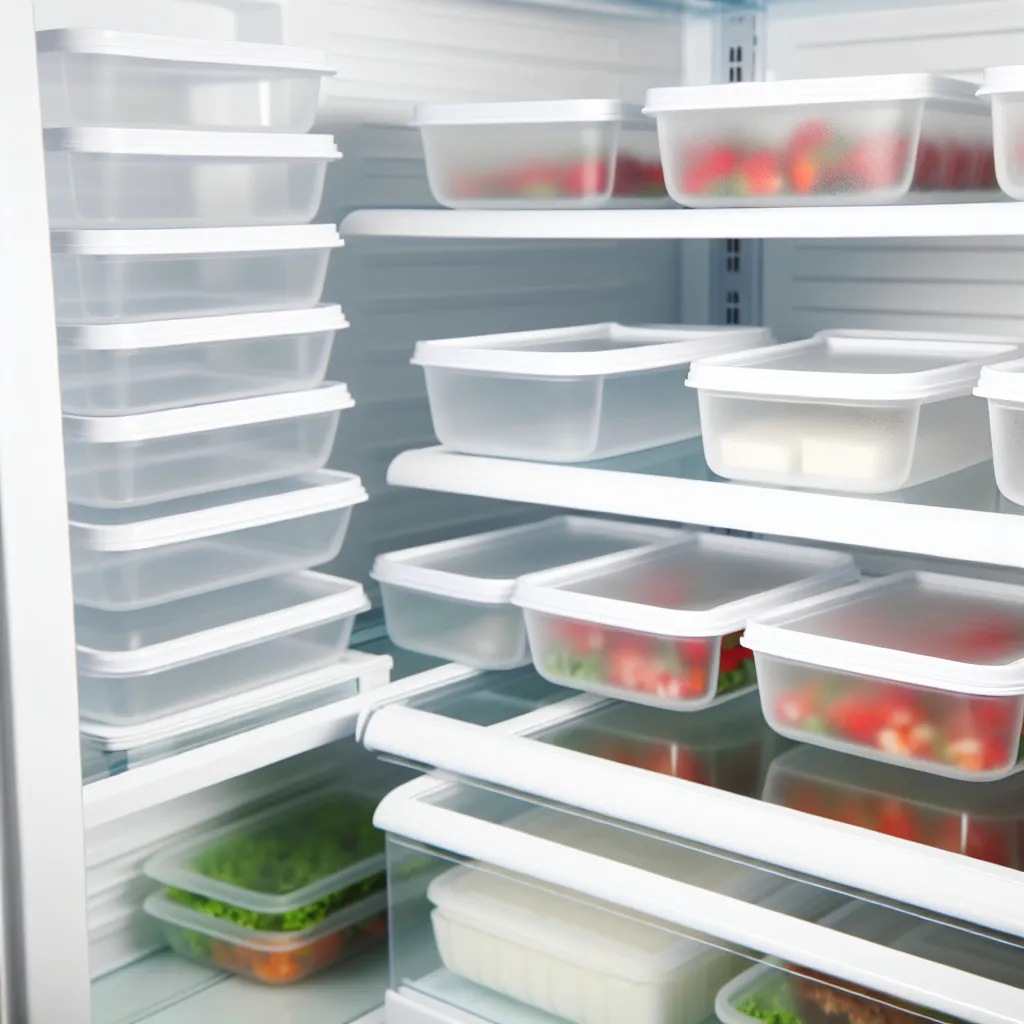
Dedicate a Meal Prep Zone
Create a designated area in your refrigerator for prepared meals. This makes healthy eating easier and more convenient for busy days.
Quick Tips for Immediate Improvement
🍎 Separate Ethylene Producers
Keep apples, bananas, and tomatoes away from ethylene-sensitive produce like lettuce and broccoli.
🧊 Cool Before Storing
Always let hot foods cool to room temperature before refrigerating to maintain consistent temperature.
📦 First In, First Out
Move older items to the front and place new purchases in the back to use food before it expires.
🧼 Clean Weekly
Wipe down shelves and containers weekly to prevent bacteria growth and unpleasant odors.
🥬 Don't Overcrowd
Allow air circulation by avoiding overpacking. This maintains consistent temperature throughout.
🔒 Seal Properly
Use airtight containers to prevent odor transfer and maintain food freshness longer.