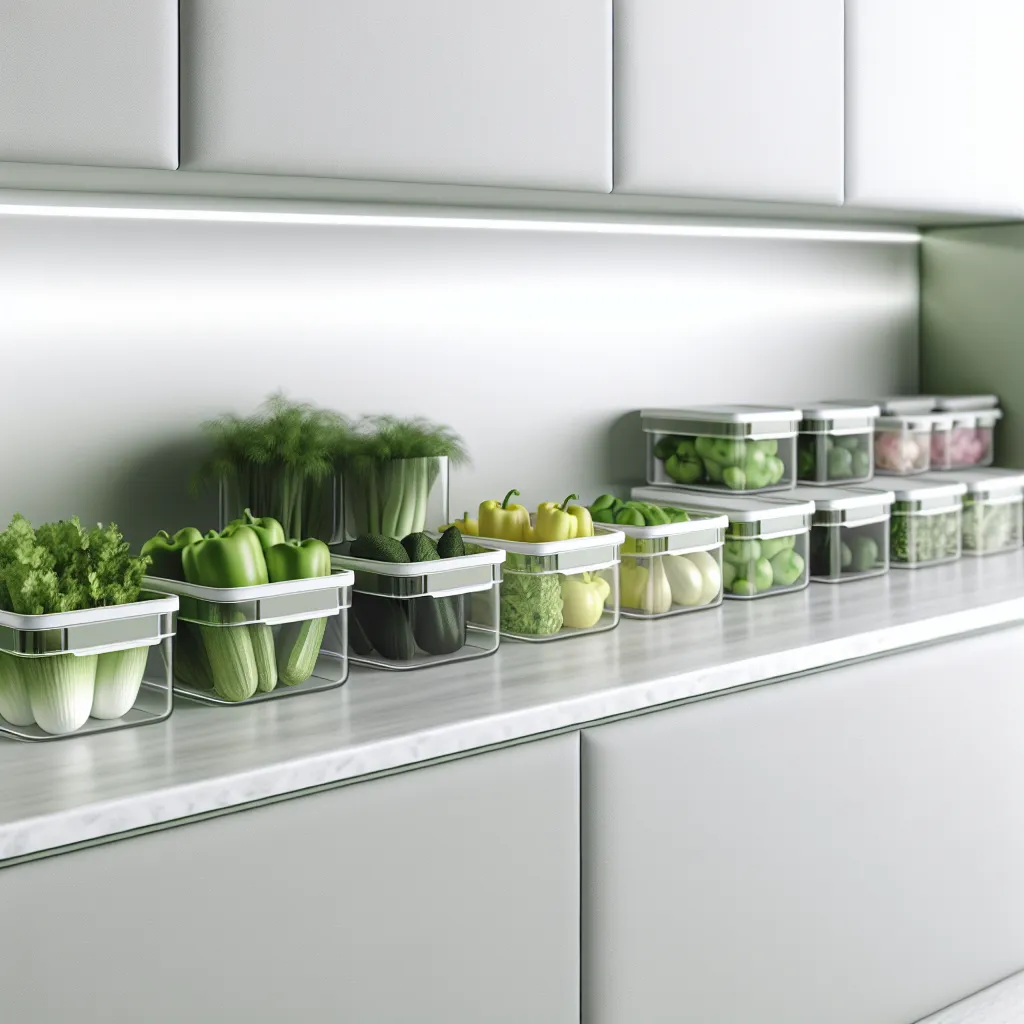
One of the most powerful yet overlooked strategies for keeping produce fresh is proper separation. Many people don't realize that certain fruits and vegetables can actually cause others to spoil faster when stored together. This phenomenon is due to ethylene gas, a natural plant hormone that triggers ripening.
Understanding Ethylene Gas
Ethylene gas is nature's ripening hormone. While this is beneficial for bringing fruit to peak ripeness, it can cause problems in your refrigerator when ethylene-producing items are stored near sensitive produce.
High Ethylene Producers
These fruits produce significant amounts of ethylene gas and should be stored separately:
- Apples - one of the highest ethylene producers
- Avocados (when ripe)
- Bananas - should rarely be refrigerated anyway
- Pears
- Tomatoes
- Peaches and nectarines
- Plums
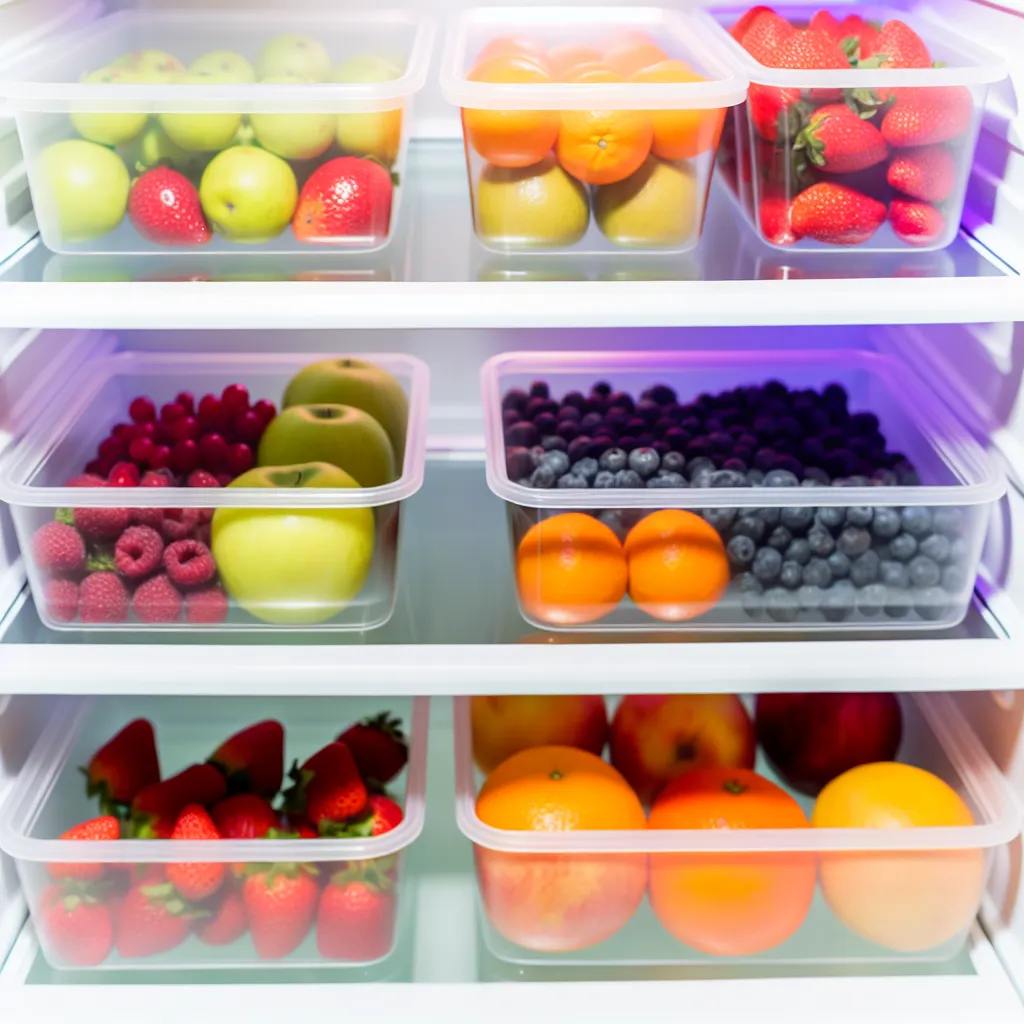
Ethylene-Sensitive Produce
These vegetables and fruits are particularly sensitive to ethylene exposure and will spoil faster when near producers:
- Leafy greens (lettuce, spinach, kale)
- Broccoli and cauliflower
- Brussels sprouts
- Carrots
- Cucumbers
- Green beans
- Peppers
💡 Pro Tip
If you need to ripen fruit quickly, store it in a paper bag with an apple. The concentrated ethylene will speed up ripening. Once ripe, separate immediately to prevent over-ripening.
Practical Separation Strategies
Use Your Crisper Drawers Wisely
Most refrigerators have two crisper drawers. Designate one exclusively for fruits and the other for vegetables. This natural separation helps prevent ethylene-sensitive vegetables from exposure to ethylene-producing fruits.
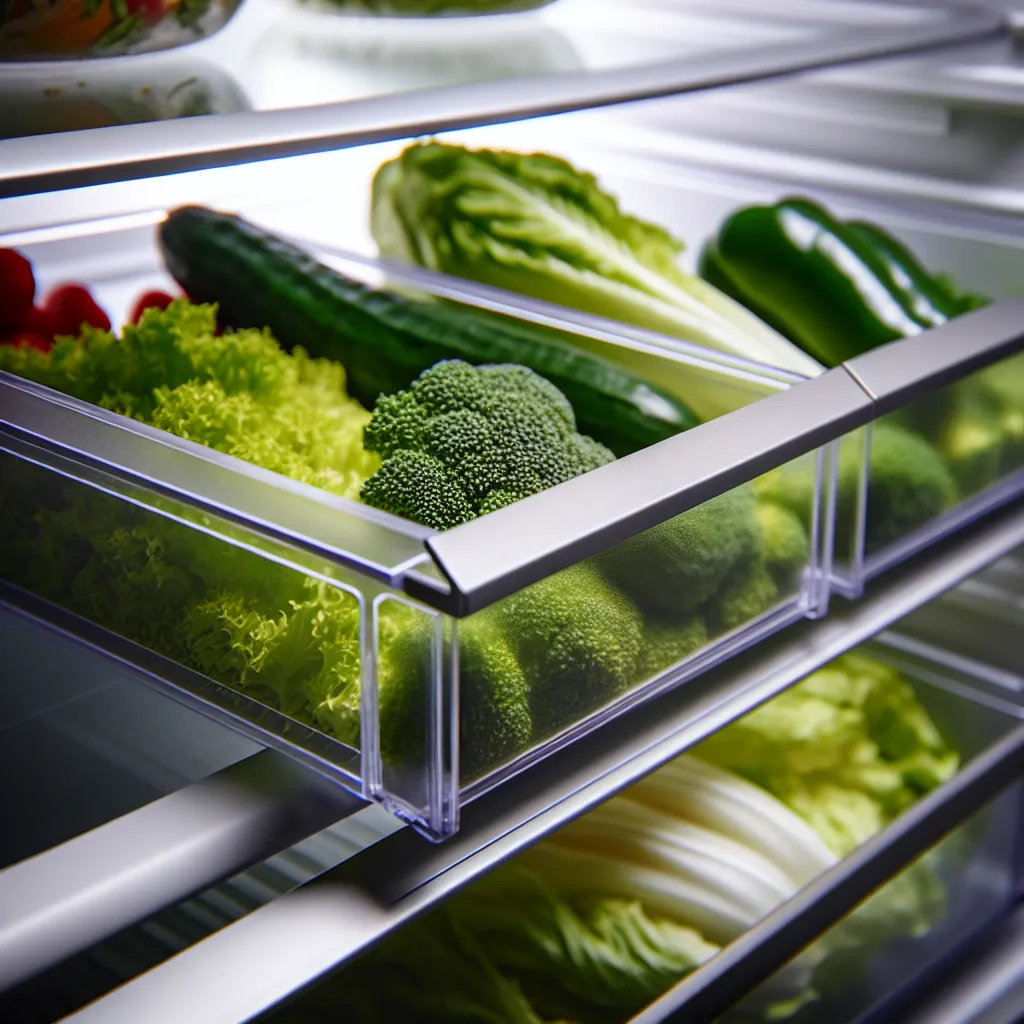
Container Barriers
When space doesn't allow complete separation, use sealed containers for ethylene-sensitive produce. Clear, airtight containers create a barrier against ethylene gas while still allowing you to see contents.
Strategic Shelf Placement
Store ethylene producers on upper shelves and sensitive produce on lower shelves. Since ethylene is lighter than air, this placement provides natural separation.
Humidity Considerations
Beyond ethylene, humidity needs differ between fruits and vegetables:
- High Humidity (vegetables): Leafy greens, broccoli, carrots, celery thrive with high humidity settings
- Low Humidity (fruits): Apples, pears, stone fruits prefer lower humidity to prevent moisture accumulation
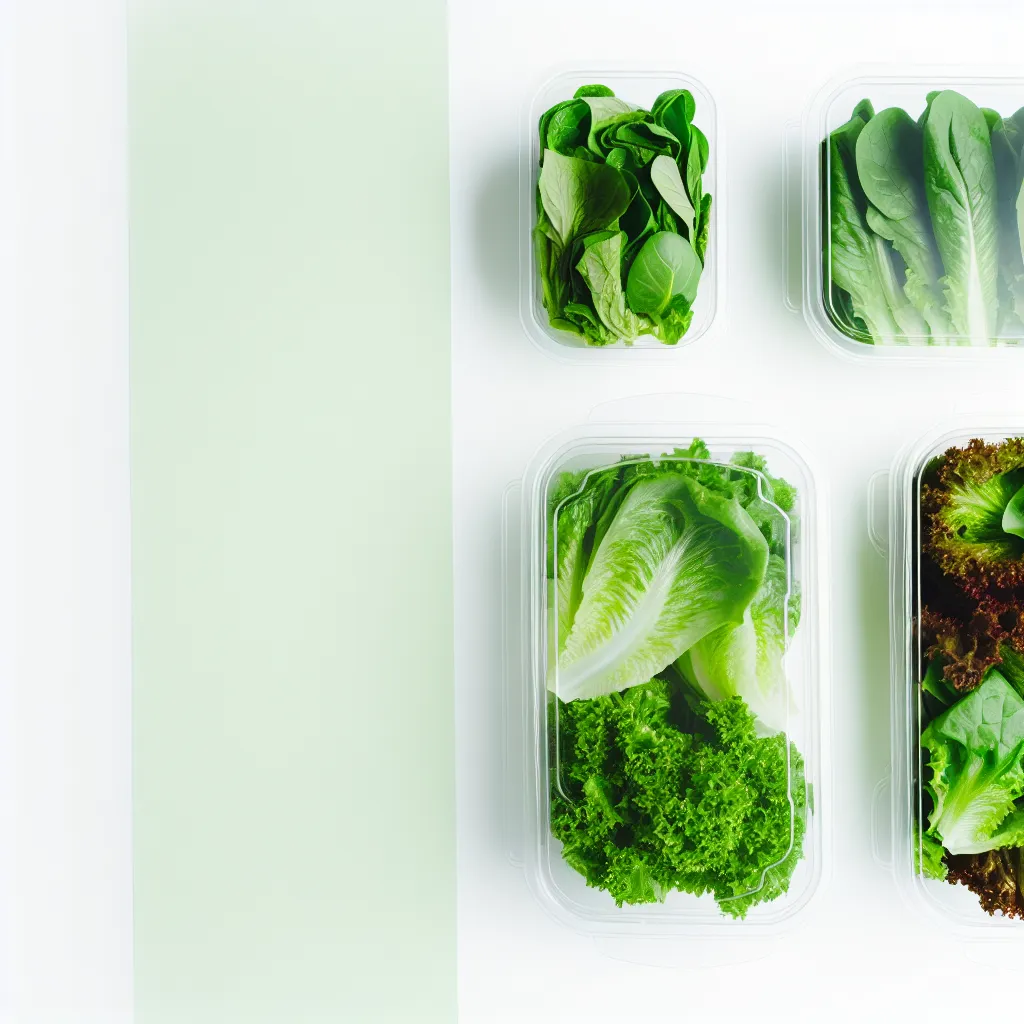
Special Cases
Tomatoes
Tomatoes produce ethylene and are best stored at room temperature until fully ripe. Only refrigerate if you need to extend their life by a day or two, and always separate from other produce.
Herbs
Most fresh herbs benefit from separation in their own container or glass of water. They're sensitive to both ethylene and moisture from other produce.
Berries
Berries are moderately ethylene-sensitive but highly moisture-sensitive. Store in their original ventilated containers or in paper towel-lined containers, separate from ethylene producers.
🎯 Action Steps
This Week: Reorganize your refrigerator with fruit/vegetable separation in mind. You should notice produce lasting 3-5 days longer on average with this simple change.
Conclusion
Produce separation isn't complicated, but it requires awareness and consistent practice. By understanding ethylene production and sensitivity, you can dramatically extend the life of your fresh produce while maintaining peak flavor and nutrition.
The investment in a few clear containers and the habit of separating produce by type will pay dividends in reduced waste, fresher meals, and significant grocery savings over time.